
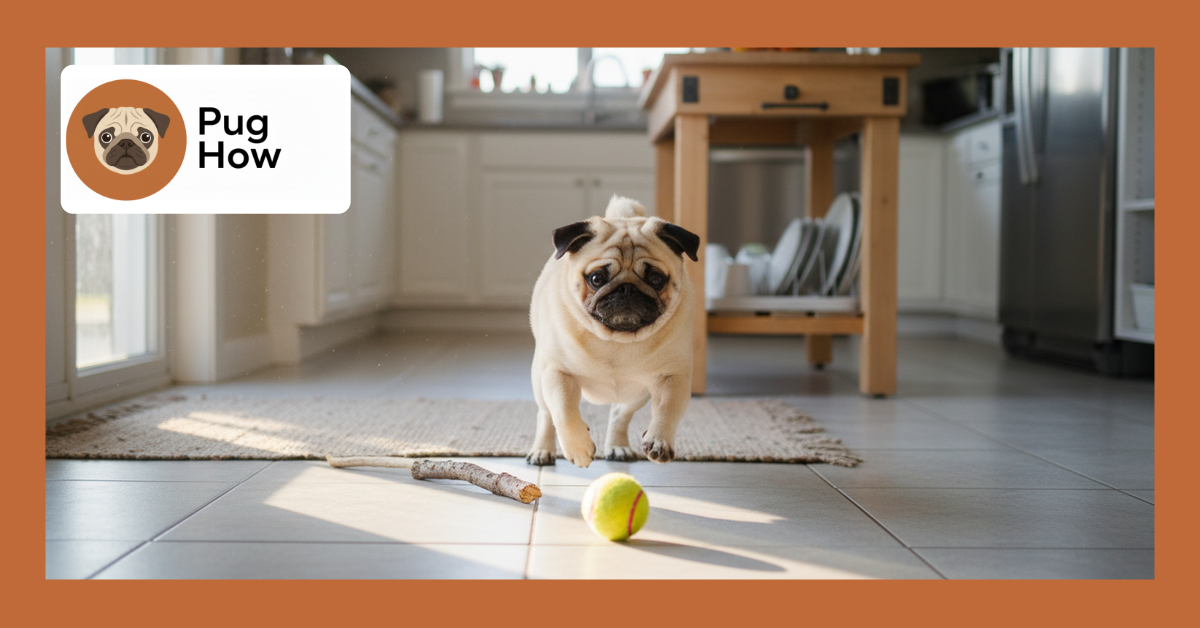
Bringing home your new pug puppy is an exciting milestone, but that first night can feel overwhelming. According to recent pet ownership studies, 68% of new puppy owners report feeling anxious about their pet’s first night home. The good news? With proper preparation and understanding of your pug’s unique needs, you can create a positive experience that sets the foundation for years of companionship.
The first night with your new pug puppy should focus on creating a safe, comfortable environment near your bed, establishing a bedtime routine, and beginning crate training to help your puppy feel secure and reduce separation anxiety.
Your pug’s first night home is crucial for building trust and establishing healthy sleep patterns. Unlike other breeds, pugs are companion dogs bred specifically for human interaction, making this initial bonding period even more significant. The American Kennel Club emphasizes that early socialization and proper introduction to their new environment directly impacts long-term behavioral development.
Essential Preparations Before Your First Night with Your New Pug Puppy
Success starts before your puppy even arrives home. Creating the right environment eliminates common first-night challenges and helps your pug settle in faster.
Setting Up the Perfect Sleep Space
Your pug puppy needs a designated sleep area that feels safe and secure. Position their crate or bed next to yours for the first few nights. This proximity reduces anxiety while maintaining healthy boundaries.
Choose orthopedic bedding specifically designed for pugs. These flat-faced breeds are prone to joint issues and breathing difficulties, making supportive bedding essential from day one. Avoid fluffy pillows that can obstruct their already compromised airways.
Gathering Essential Supplies
Stock up on these must-have items before your puppy arrives:
- Appropriately sized crate – Large enough to stand and turn around, not too spacious
- Puppy-safe toys – Avoid small parts that pose choking hazards
- Water and food bowls – Elevated options reduce neck strain
- Pet carrier – For safe transportation and emergency situations
- Exercise pen – Creates a safe play area during adjustment period
Creating Your First Night Routine
Establishing a consistent bedtime routine immediately helps your pug understand expectations and feel more secure in their new environment.
Step-by-Step Evening Schedule
Follow this proven timeline for first-night success:
- 6:00 PM – Final meal – Feed dinner at least 3 hours before bedtime
- 8:00 PM – Last potty break – Take your puppy outside for final bathroom trip
- 8:30 PM – Quiet play time – Gentle interaction to burn remaining energy
- 9:00 PM – Crate introduction – Place puppy in crate with favorite toy
- 9:15 PM – Lights out – Maintain quiet, calm atmosphere
Expect some whining or crying during the first night. This behavior is normal and typically decreases significantly by night three.
Managing First Night Anxiety
Pugs are particularly sensitive to separation due to their companion breeding. Combat anxiety by placing a worn t-shirt with your scent in their crate. The familiar smell provides comfort without creating dependency.
Resist the urge to immediately respond to every whimper. Brief periods of gentle crying help puppies learn self-soothing skills essential for healthy development.
Crate Training Foundation
Proper crate training during your first night with your new pug puppy prevents future behavioral issues and creates a safe space they’ll love for life.
Choosing the Right Crate Size
Size matters significantly for pug puppies. The crate should allow them to stand, turn around, and lie down comfortably without excess space that encourages bathroom accidents.
| Pug Age | Recommended Crate Size | Dimensions |
|---|---|---|
| 8-12 weeks | Small | 24″ L x 18″ W x 21″ H |
| 3-6 months | Medium | 30″ L x 21″ W x 24″ H |
| Adult | Medium-Large | 36″ L x 24″ W x 27″ H |
Making the Crate Appealing
Transform the crate from a prison into a palace. Place high-value treats inside randomly throughout the day. Feed meals in the crate to create positive associations.
Never use the crate as punishment. Your pug should view their crate as a safe retreat, not a place of isolation or discipline.
Understanding Pug-Specific Needs
Pugs have unique requirements that differ from other breeds, especially during their vulnerable puppy stage.
Breathing Considerations
Brachycephalic breeds like pugs face breathing challenges that intensify during stress or excitement. Keep your home at comfortable temperatures and ensure adequate ventilation in their sleep area.
Watch for signs of respiratory distress including excessive panting, blue gums, or difficulty settling down. These symptoms require immediate veterinary attention.
Social Needs and Bonding
Pugs thrive on human interaction more than most breeds. During your first night together, balance independence training with bonding opportunities.
Spend quality time near their crate reading or watching television. Your presence provides comfort while teaching them to be calm in their designated space.
Troubleshooting Common First Night Challenges
Even with perfect preparation, challenges can arise. Knowing how to handle common issues prevents small problems from becoming major behavioral concerns.
Excessive Crying or Whining
Distinguish between attention-seeking behavior and genuine distress. Attention-seeking whining typically stops when ignored, while distress crying is continuous and urgent-sounding.
If crying persists beyond 30 minutes, check for basic needs: water, comfortable temperature, and bathroom requirements.
Bathroom Accidents
Puppies have limited bladder control, especially during their first nights in new environments. Clean accidents immediately with enzymatic cleaners to prevent repeat incidents in the same location.
Establish a middle-of-night potty schedule if needed. Most 8-week-old puppies need one nighttime bathroom break.
Building Long-Term Success
Your first night with your new pug puppy sets important precedents for future behavior and bonding. Consistency in your approach creates security and accelerates adjustment.
Remember that pugs are prone to health issues including hip dysplasia and joint problems. Starting with proper bedding and gentle handling during these early days prevents future complications.
The emotional support pugs provide their families is remarkable, but this deep bond requires proper foundation-building from day one. Your patience and preparation during this first night investment pays dividends throughout your pug’s 12-15 year lifespan.
Frequently Asked Questions
Should I let my pug puppy sleep in my bed on the first night?
Avoid bed-sharing during the first night with your new pug puppy. While tempting, this creates dependency and makes future crate training more difficult. Place their crate next to your bed for comfort while maintaining healthy boundaries.
How long will my pug puppy cry on the first night?
Most pug puppies cry for 15-45 minutes on their first night home. This duration typically decreases each subsequent night. Crying beyond one hour may indicate distress requiring attention to basic needs like bathroom breaks or temperature adjustment.
What temperature should I keep the room for my new pug puppy?
Maintain room temperature between 68-72°F for optimal pug puppy comfort. Their flat faces make temperature regulation challenging, and overheating can cause dangerous breathing difficulties. Provide adequate ventilation without creating drafts.
Can I give my pug puppy food or water at night?
Remove food 3 hours before bedtime and limit water intake 2 hours prior to prevent nighttime accidents. However, always provide access to small amounts of water if your puppy seems thirsty, especially in warm weather. For more detailed guidance on proper hydration, learn how much water should a pug drink.
When should I take my pug puppy out for nighttime potty breaks?
Young puppies typically need one nighttime bathroom break 4-5 hours after bedtime. Set a quiet alarm and take them out immediately, then return to the crate without play or extensive interaction.
What if my pug puppy refuses to go in the crate on the first night?
Never force your puppy into the crate. Instead, make it appealing with treats, toys, and your scent. Feed meals in the crate during the day and practice short sessions before attempting overnight stays. If eating issues persist beyond the adjustment period, check our guide on what to do when your pug won’t eat.
How do I know if my pug puppy is having breathing problems during the first night?
Watch for excessive panting, struggling to catch breath, blue gums, or inability to settle down. These signs require immediate veterinary attention. Normal puppy breathing may be slightly faster than adult dogs but should be regular and unlabored. Regular grooming, including proper ear cleaning, helps maintain overall respiratory health in pugs.