
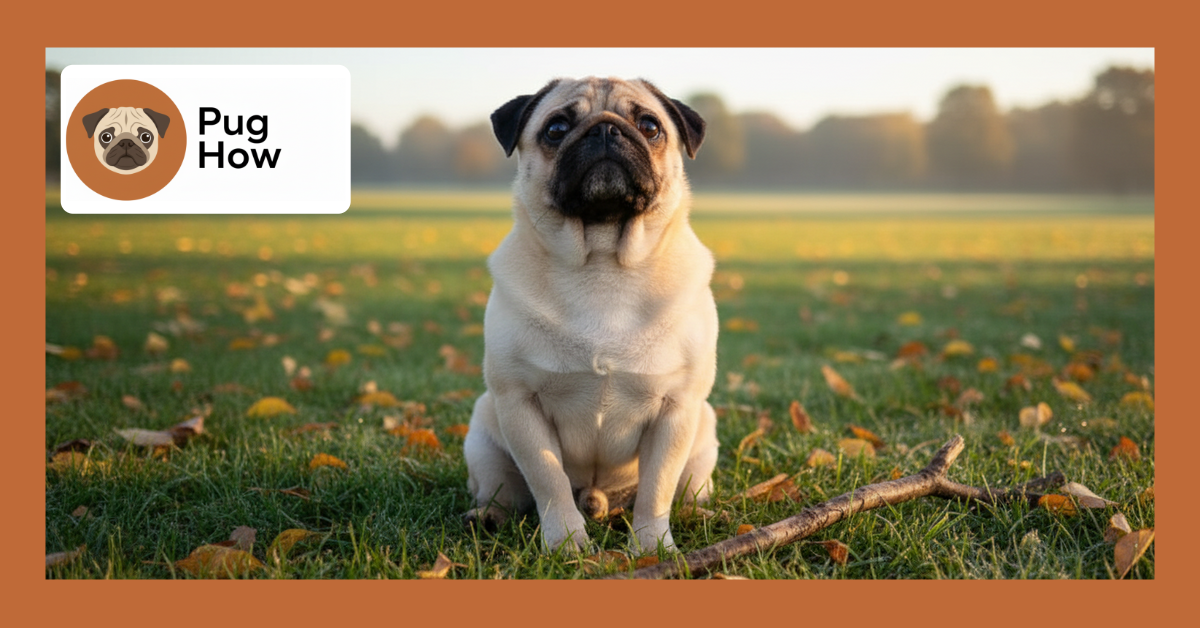
Picture this: a small, sturdy dog with a wrinkled face and enormous personality following you from room to room, demanding belly rubs and offering unconditional love. Pugs capture hearts instantly, but their adorable appearance masks serious responsibilities that catch many first-time owners off guard.
Are you ready for a Pug? If you can commit to managing breed-specific health challenges, provide constant companionship, maintain rigorous grooming routines, and budget for higher veterinary costs, a Pug can become your most devoted companion for 12 to 15 years.
Before you fall for those soulful eyes at the breeder or shelter, understanding what Pug ownership truly entails separates prepared owners from overwhelmed ones. According to the American Kennel Club, Pugs rank among the most popular companion breeds, yet they also face some of the most significant health challenges in the canine world.
Understanding the Pug: More Than Just a Cute Face
Pugs embody the Latin phrase multum in parvo, meaning “a lot of dog in a small space.” Standing just 10 to 11 inches tall and weighing 14 to 18 pounds, these compact companions pack enormous personality into their muscular frames.
Their distinctive appearance includes a short, square muzzle, large expressive eyes, and deep facial wrinkles. The double coat comes in fawn or black, with a characteristic black mask on fawn-colored dogs.
What truly defines Pugs is their temperament. They are affectionate, adaptable, and remarkably social dogs who form intense bonds with their families. Veterinary experts describe them as “shadow dogs” because they follow their owners everywhere, craving constant human interaction.
The Pug Personality Profile
Pugs exhibit several distinctive behavioral traits that potential owners must embrace:
- Extreme attachment: They suffer from separation anxiety when left alone for extended periods
- Food motivation: This makes training easier but requires strict portion control to prevent obesity
- Playful stubbornness: They enjoy fun but may resist commands they find boring
- Universal friendliness: Excellent with children and other pets, making them ideal family dogs
- Moderate energy: They enjoy walks and play but tire quickly compared to working breeds
The Health Reality: What Every Prospective Owner Must Know
Here is where romanticized expectations meet scientific reality. Pugs face significant health challenges directly linked to their anatomy, and ignoring these facts leads to heartbreak and financial strain.
Brachycephalic Obstructive Airway Syndrome (BOAS) affects the majority of Pugs to varying degrees. Their shortened skulls compress airways, making breathing difficult, especially during exercise or in warm weather. This is not a minor inconvenience but a chronic condition requiring lifetime management.
Common Health Challenges in Pugs
| Health Issue | Cause | Management Required |
|---|---|---|
| Respiratory Problems (BOAS) | Short muzzle compresses airways | Climate control, exercise limits, possible surgery |
| Eye Injuries | Prominent, protruding eyes | Regular monitoring, protective measures |
| Skin Infections | Deep facial wrinkles trap moisture | Daily wrinkle cleaning and drying |
| Obesity | Food motivation plus limited exercise | Strict diet control, measured portions |
| Joint Problems | Compact build, weight pressure | Weight management, veterinary monitoring |
Veterinary authorities, including Hill’s Pet Nutrition and Morningside Veterinary Hospital, now emphasize that prospective Pug owners must budget for higher-than-average veterinary costs. Regular check-ups and proactive health monitoring are not optional but essential for quality of life.
Daily Care Requirements: Are You Ready for the Commitment?
Pug ownership demands specific daily routines that differ significantly from low-maintenance breeds. Understanding these requirements before adoption prevents rehoming situations that traumatize both dog and owner.
Grooming and Hygiene Essentials
Despite their short coats, Pugs are not low-maintenance in the grooming department. Their dense double coat sheds year-round, with heavier seasonal shedding that can overwhelm unprepared owners.
Daily tasks include:
- Wrinkle cleaning: Use a damp cloth to clean between facial folds, then dry thoroughly to prevent bacterial or yeast infections
- Brushing: Regular brushing reduces shedding and distributes natural oils
- Eye checks: Monitor for redness, discharge, or injury due to prominent eye structure
- Nail trimming: Regular trimming prevents joint stress from altered gait, and knowing how to stop a Pug nail from bleeding is essential for safe at-home grooming
Exercise and Activity Balance
Pugs need moderate exercise but face serious risks from over-exertion. A typical adult Pug thrives on two short walks daily, totaling 30 to 40 minutes, plus gentle indoor play.
Critical safety considerations include avoiding exercise during hot or humid weather, watching for labored breathing or excessive panting, and stopping activity immediately if your Pug shows distress. Heat stroke can be fatal in brachycephalic breeds.
Training Your Pug: Patience and Positive Reinforcement
Pugs are intelligent but selective about obeying commands. Their food motivation makes them excellent candidates for positive reinforcement training, but their stubborn streak requires patience and creativity.
Expert trainers recommend starting socialization and basic obedience as early as possible. Puppy classes provide controlled environments where Pugs learn appropriate behavior with other dogs and humans.
Consistency matters more than intensity. Short, fun training sessions of 5 to 10 minutes work better than lengthy drills that bore your Pug into non-compliance. Always use rewards, never punishment, as Pugs shut down emotionally when treated harshly.
Lifestyle Compatibility: Does a Pug Fit Your Life?
Honest self-assessment prevents adoption regrets. Pugs thrive in specific living situations and struggle in others.
Ideal Pug Households
Pugs excel in homes where someone is present most of the day, whether through remote work, retirement, or stay-at-home arrangements. Their separation anxiety makes them poor choices for people who work long hours outside the home.
They adapt beautifully to apartment living due to their small size and moderate exercise needs. However, climate-controlled environments are non-negotiable. Pugs cannot tolerate extreme temperatures, particularly heat.
Challenging Situations for Pugs
If you travel frequently, work unpredictable hours, or prefer highly active outdoor adventures, a Pug may not match your lifestyle. These dogs need routine, constant companionship, and carefully managed activity levels.
Households with very young children require supervision, not because Pugs are aggressive, but because their prominent eyes are vulnerable to accidental injury during rough play.
Financial Preparation: Budgeting for Pug Ownership
Beyond initial adoption or purchase costs, Pugs require ongoing financial commitment that exceeds many breeds. Responsible ownership means preparing for both routine and emergency expenses.
Annual costs typically include premium dog food formulated for small breeds with weight management, routine veterinary care including vaccinations and check-ups, and grooming supplies. Budget an additional fund for breed-specific health issues that may require specialist care or surgery.
Pet insurance designed for brachycephalic breeds can offset some costs, but policies often exclude pre-existing conditions. Research coverage options before bringing your Pug home.
Finding a Responsible Pug Breeder or Adoption Option
Where you acquire your Pug significantly impacts their long-term health and temperament. The rising emphasis on ethical breeding reflects growing awareness of how exaggerated physical features compromise welfare.
Red Flags to Avoid
Steer clear of breeders who cannot provide health clearances for parent dogs, refuse to let you visit their facility, or have multiple litters available simultaneously. Puppy mills and backyard breeders prioritize profit over health, producing puppies with severe genetic problems.
What Responsible Breeders Provide
Ethical breeders conduct health screenings on parent dogs, socialize puppies from birth, provide veterinary records and health guarantees, and interview potential owners to ensure good matches. They also remain available for support throughout the dog’s life.
Adoption from Pug rescues offers another rewarding option. Many wonderful Pugs need homes due to owner circumstances rather than behavioral problems. Rescue organizations typically provide health assessments and temperament evaluations.
Preparing Your Home for a Pug
Before bringing your Pug home, create a safe, comfortable environment tailored to their specific needs.
Temperature control is paramount. Ensure your home maintains comfortable temperatures year-round, with air conditioning for summer months. Pugs cannot regulate body temperature effectively and suffer quickly in heat.
Secure hazards by removing toxic plants, securing electrical cords, and storing chemicals safely. Pugs are curious and will investigate everything at nose level.
Designate a quiet space where your Pug can retreat when overwhelmed. Despite their social nature, they appreciate having a personal safe zone with bedding, water, and toys. If you’re bringing home a puppy, prepare for your first night with your new Pug puppy by setting up this comfort zone in advance.
Making Your Final Decision: Are You Truly Ready?
Bringing a Pug into your life offers immense rewards: unwavering companionship, endless entertainment, and profound emotional connection. However, these benefits come with serious responsibilities that last 12 to 15 years or longer.
Ask yourself these critical questions: Can you commit to daily wrinkle cleaning and regular grooming? Are you prepared for potential high veterinary costs and management of chronic health conditions? Can you provide near-constant companionship or arrange appropriate care when absent? Do you have climate-controlled living spaces suitable for a brachycephalic breed?
If you answered yes confidently, understanding both the joys and challenges, you may indeed be ready for a Pug. If doubts remain, consider fostering through a rescue organization to experience Pug ownership before making a permanent commitment.
The decision to welcome a Pug should come from informed readiness rather than impulsive attraction to their undeniable cuteness. When preparation meets commitment, the human-Pug bond becomes one of life’s most rewarding relationships. Once you’ve decided, don’t forget to choose from our collection of cool names for your Pug to give your new companion the perfect identity.
Frequently Asked Questions
Can Pugs be left alone during the workday?
Pugs should not be left alone for more than 4 to 6 hours regularly due to their high social needs and tendency toward separation anxiety. If you work full-time outside the home, arrange for midday visits, doggy daycare, or consider whether a Pug truly fits your schedule. These companion dogs suffer emotionally from prolonged isolation, which can lead to destructive behaviors and health problems.
How much does it cost to care for a Pug annually?
Annual Pug care typically costs between $1,000 and $2,500 for routine expenses including quality food, regular veterinary check-ups, vaccinations, grooming supplies, and preventative medications. However, budget an additional emergency fund of $2,000 to $5,000 for breed-specific health issues. Pugs often require specialized veterinary care for respiratory problems, eye injuries, or skin conditions that can significantly increase annual costs.
Are Pugs good for first-time dog owners?
Pugs can work for first-time owners who thoroughly research breed-specific needs and commit to managing health challenges. Their affectionate temperament and moderate size make them approachable, but their respiratory issues, grooming requirements, and separation anxiety demand dedicated care. First-time owners should connect with experienced Pug communities, establish relationships with veterinarians familiar with brachycephalic breeds, and prepare for a steeper learning curve than with hardier breeds.
Do Pugs really snore and make loud breathing noises?
Yes, virtually all Pugs snore, snort, and make audible breathing sounds due to their brachycephalic anatomy. Their compressed airways cause turbulent airflow that creates these characteristic noises during sleep, excitement, or exertion. While many owners find these sounds endearing, they indicate real respiratory compromise. If breathing noises suddenly worsen or your Pug shows distress, consult your veterinarian immediately as this may signal airway obstruction requiring intervention.
How do I keep my Pug from becoming overweight?
Prevent Pug obesity by measuring food portions precisely according to veterinary recommendations, limiting treats to no more than 10 percent of daily calories, and providing appropriate daily exercise within their physical limitations. Use their food motivation for training rewards rather than giving extra treats. Regular weigh-ins help catch weight gain early. Because Pugs cannot exercise vigorously, dietary control becomes the primary weight management tool. Obesity significantly worsens breathing problems and joint stress in this breed.
What is the biggest challenge of owning a Pug?
The biggest challenge is managing their complex health needs while accepting that some issues stem directly from breed anatomy and cannot be prevented entirely. Respiratory compromise, in particular, requires constant vigilance regarding temperature, activity levels, and stress. Many owners also struggle with the intensity of Pug attachment and neediness. These dogs demand far more attention and companionship than independent breeds. Successfully owning a Pug means embracing medical management and emotional dependency as lifelong commitments.
Can Pugs go on hikes or join active outdoor lifestyles?
Pugs are not suited for strenuous hiking, running, or intense outdoor activities due to their brachycephalic anatomy and heat sensitivity. While they enjoy gentle walks and moderate play, their compressed airways limit endurance and make overheating dangerously easy. If you envision a dog joining you on long hikes, trail runs, or outdoor adventures, choose a different breed. Pugs thrive as indoor companions who enjoy short outdoor excursions in comfortable weather rather than athletic partners.