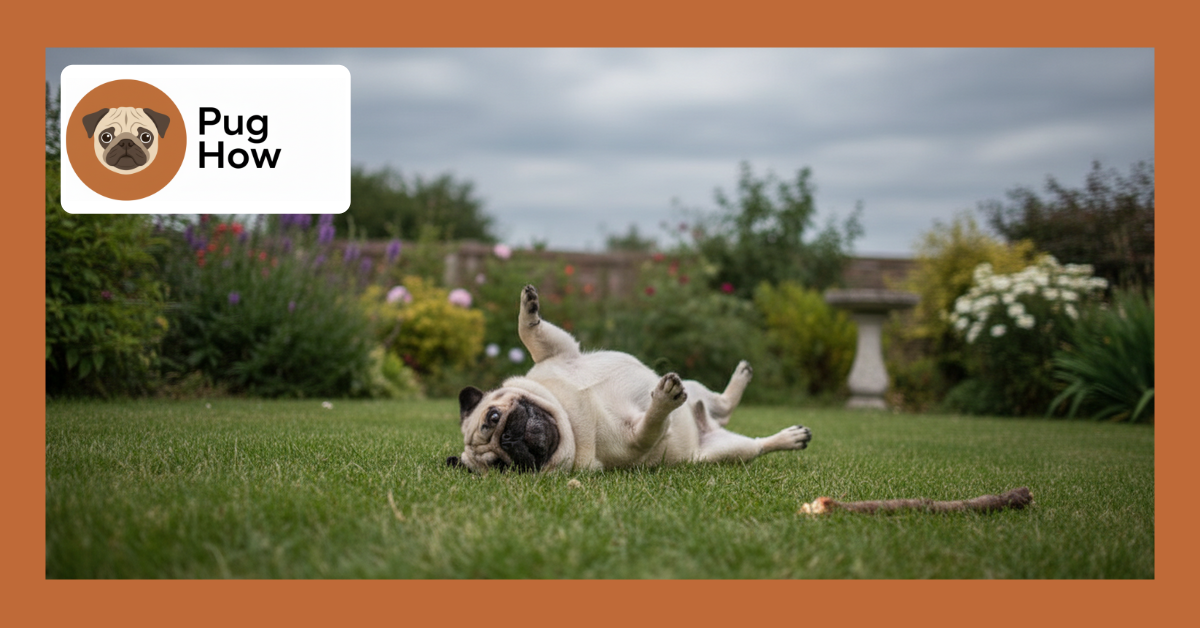
Picture this: you’re scrolling through social media and see a pug panting heavily after what looks like a simple walk around the block. If you’re wondering whether your adorable flat-faced friend needs hours of daily exercise like a Border Collie, you’re asking the right question.
Do pugs need a lot of exercise? No, pugs require minimal exercise – typically just 20-45 minutes daily split into short sessions – due to their brachycephalic (flat-faced) anatomy and low-energy breeding. This makes them perfect companions for apartment living or busy households seeking low-maintenance pets.
Unlike high-energy breeds, pugs were bred for companionship rather than athletic performance. Their unique physical structure means that what might be a gentle warm-up for other dogs could leave your pug struggling to breathe. Understanding these limitations isn’t just about convenience – it’s crucial for your pug’s health and longevity. According to veterinary experts at Vetic, tailored exercise routines based on life stages prevent common health issues while keeping your pug mentally stimulated and physically fit.
Understanding Pug Exercise Needs by Life Stage
Your pug’s exercise requirements change dramatically as they grow. What works for a playful puppy could harm a senior dog, and what’s perfect for an adult might overwhelm a young pug still developing their respiratory system.
Puppy Pugs (0-12 Months): Building Foundations Safely
Pug puppies need the least amount of formal exercise of any life stage. Their growing joints and underdeveloped breathing passages make them particularly vulnerable to overexertion. If you’re bringing home a new puppy, our guide on your first night with your new pug puppy offers essential tips for creating a safe, comfortable environment.
Exercise Guidelines:
- 5-10 minutes per session, 2-3 times daily
- Follow the “5 minutes per month of age” rule (maximum twice daily)
- Focus on indoor activities like gentle fetch or hide-and-seek
- Avoid stairs, jumping, or any high-impact activities
The key during puppyhood is socialization and basic training rather than physical endurance. Short play sessions in safe environments help build confidence while protecting developing bones and airways.
Adolescent Pugs (1-2 Years): Gradual Increase
As your pug enters adolescence, their exercise capacity increases slightly. However, their enthusiasm often exceeds their physical capabilities, so careful monitoring remains essential.
Recommended Activities:
- 10-15 minute walks twice daily
- Interactive games like hide-and-seek or puzzle toys
- Basic training sessions that combine mental and physical stimulation
Adult Pugs (2-7 Years): Peak Exercise Period
Adult pugs can handle their maximum exercise load during this period. Even so, “maximum” for a pug means moderate activity that would barely challenge most other breeds.
Daily Exercise Breakdown:
- 20-45 minutes total exercise time
- Two 15-20 minute walks
- Low-impact games like gentle fetch or tug-of-war
- Mental stimulation through food puzzles or training
Senior Pugs (7+ Years): Gentle Maintenance
Senior pugs need exercise to maintain joint mobility and prevent obesity, but their reduced stamina requires careful adjustment. Arthritis and breathing difficulties often become more pronounced during this stage.
Senior-Friendly Activities:
- 10-20 minutes of gentle walking
- Stretching and flexibility exercises
- Mental stimulation to keep minds sharp
- Swimming (if available and supervised) for low-impact joint movement
Safe Exercise Activities for Pugs
Choosing the right activities for your pug means understanding their physical limitations while still providing adequate mental and physical stimulation. The best exercises for pugs combine low physical impact with high mental engagement.
Indoor Activities That Pack a Punch
Indoor exercises are often ideal for pugs because they allow better temperature control and eliminate weather-related breathing challenges.
Top Indoor Exercises:
- Food puzzle games: Challenge their problem-solving skills while slowing down eating
- Hide-and-seek: Great for mental stimulation and light physical activity
- Bubble chasing: Low-impact fun that encourages gentle movement
- Tug-of-war: Builds strength without excessive running
- Scent games: Hide treats around the house for natural foraging behavior
Outdoor Exercise Guidelines
When taking your pug outside, timing and weather conditions become critical factors in ensuring their safety and comfort.
Best Practices for Outdoor Exercise:
- Exercise during cooler parts of the day (early morning or evening)
- Carry water and take frequent breaks
- Watch for signs of overheating: excessive panting, drooling, or reluctance to continue
- Choose shaded routes when possible
- Keep sessions short and sweet
How to Create the Perfect Weekly Exercise Schedule
Consistency matters more than intensity when it comes to pug exercise. A well-planned weekly routine prevents both under-stimulation and overexertion while accommodating your pug’s need for rest and recovery.
Sample Weekly Schedule for Adult Pugs
| Day | Morning Activity | Evening Activity | Total Time |
|---|---|---|---|
| Monday | 15-minute walk | 10-minute indoor play | 25 minutes |
| Tuesday | Puzzle feeding | 20-minute walk | 30 minutes |
| Wednesday | 15-minute walk | Training session | 25 minutes |
| Thursday | Scent games | 15-minute walk | 25 minutes |
| Friday | 20-minute walk | Rest/gentle play | 25 minutes |
| Saturday | Extended sniffing walk | Indoor activities | 35 minutes |
| Sunday | Rest day | Light indoor play | 15 minutes |
Step-by-Step Guide to Building Exercise Tolerance
If your pug is new to regular exercise or returning after a period of inactivity, gradual conditioning prevents injury and builds confidence.
Week 1-2: Foundation Building
- Start with 5-minute walks twice daily
- Observe your pug’s breathing and energy levels
- Add 2-3 minutes of indoor play
- Focus on positive associations with movement
Week 3-4: Gentle Increase
- Extend walks to 8-10 minutes if no breathing difficulties occur
- Introduce new indoor activities every few days
- Add one extra play session per week
- Monitor for signs of fatigue or reluctance
Week 5+: Maintenance Phase
- Settle into a consistent routine based on your pug’s demonstrated tolerance
- Vary activities to prevent boredom
- Continue monitoring and adjust for weather or health changes
Recognizing Exercise Danger Signs in Pugs
Pugs can’t regulate their body temperature as efficiently as other breeds, making them prone to heat stroke and breathing difficulties during exercise. Recognizing early warning signs could save your pug’s life.
Immediate Stop Signs
If you notice any of these symptoms during exercise, stop immediately and move your pug to a cool, shaded area:
- Excessive panting that doesn’t subside after a few minutes of rest
- Loud, labored breathing or wheezing sounds
- Bright red or blue-tinged tongue and gums
- Stumbling or reluctance to continue
- Excessive drooling or thick, ropey saliva
- Vomiting or dry heaving
Weather Considerations
Temperature and humidity dramatically affect your pug’s exercise tolerance. As a general rule, if it’s uncomfortable for you, it’s dangerous for your pug.
Safe Exercise Weather:
- Temperature below 75°F (24°C)
- Low to moderate humidity
- Overcast or shaded conditions
- Gentle breeze for air circulation
Mental Stimulation: Exercise for the Pug Mind
Physical limitations don’t mean pugs can’t get a good workout. Mental stimulation can be just as tiring as physical exercise and is often safer for brachycephalic breeds.
Brain Games That Tire Pugs Out
These activities challenge your pug’s mind while providing gentle physical movement:
- Snuffle mats: Hide treats in fabric strips for natural foraging
- Puzzle feeders: Make mealtime a problem-solving challenge
- Training sessions: Learn new tricks or practice basic commands
- Scent work: Hide treats around the house for nose-led exploration
- Interactive toys: Toys that dispense treats when manipulated correctly
A 15-minute training session can tire a pug as much as a 20-minute walk, making mental exercises invaluable for days when weather or health concerns limit physical activity. For comprehensive training guidance, consider exploring clicker training methods for pugs to maximize mental engagement.
Special Considerations for Overweight Pugs
Obesity rates are particularly high among pugs, with excess weight exacerbating breathing difficulties and joint problems. Exercise plays a crucial role in weight management, but the approach must be even more cautious with overweight dogs.
Modified Exercise Plan for Weight Loss
Overweight pugs need exercise to lose weight but can’t handle standard routines until their fitness improves.
Phase 1: Gentle Introduction (Weeks 1-4)
- 5-minute walks twice daily
- Swimming if available (excellent low-impact option)
- Food puzzle toys to slow eating and add activity
- Veterinary monitoring of progress and breathing
Phase 2: Gradual Building (Weeks 5-12)
- Slowly increase walk duration by 2-3 minutes weekly
- Add gentle play sessions
- Incorporate more challenging mental stimulation
- Continue veterinary check-ins
Conclusion
Understanding that pugs don’t need extensive exercise is key to responsible ownership of these beloved companions. Their 20-45 minutes of daily activity should focus on gentle, consistent movement rather than intense workouts. Remember that mental stimulation often provides better value than physical exercise for this intelligent breed.
The most important factors for pug exercise success are consistency, weather awareness, and recognizing your individual dog’s limitations. Every pug is different, and what works for one may not suit another. Work with your veterinarian to develop a routine that keeps your pug healthy, happy, and breathing comfortably.
By respecting your pug’s physical limitations while providing appropriate mental and physical stimulation, you’ll help ensure a long, healthy, and fulfilling life for your flat-faced friend. Do pugs need a lot of exercise? No, but they do need the right kind of exercise delivered with love, patience, and understanding of their unique needs. For more insights into overall pug care and health considerations, check out our comprehensive guide on common pug problems to stay informed about potential health issues.
Frequently Asked Questions
How much exercise does a pug puppy need daily?
Pug puppies need very minimal exercise – just 5-10 minutes per session, 2-3 times daily. Follow the rule of 5 minutes per month of age, maximum twice daily. Focus on gentle indoor play rather than formal walks to protect developing joints and breathing passages.
Can pugs go on long walks?
Pugs should not go on long walks due to their brachycephalic anatomy. Even adult pugs typically max out at 15-20 minute walks. Their flat faces make breathing difficult during extended exercise, especially in warm weather or humid conditions.
What are the best indoor exercises for pugs?
The best indoor exercises for pugs include food puzzle games, hide-and-seek, gentle tug-of-war, scent work, and bubble chasing. These activities provide mental stimulation while keeping physical exertion low and temperature controlled.
How do I know if my pug is getting too much exercise?
Signs of overexertion in pugs include excessive panting that doesn’t subside with rest, loud wheezing, bright red or blue-tinged gums, stumbling, excessive drooling, or reluctance to continue. Stop exercise immediately if you notice any of these symptoms.
Do senior pugs need less exercise than adult pugs?
Yes, senior pugs (7+ years) typically need 10-20 minutes of gentle exercise daily compared to 20-45 minutes for adults. Focus on maintaining joint mobility through gentle walks and stretching rather than building endurance or strength.
What weather is too hot for pug exercise?
Temperatures above 75°F (24°C) can be dangerous for pug exercise, especially with high humidity. Exercise pugs during cooler parts of the day (early morning or evening) and always watch for signs of overheating like excessive panting or drooling.
Can mental stimulation replace physical exercise for pugs?
Mental stimulation is extremely valuable for pugs and can be as tiring as physical exercise, but it shouldn’t completely replace gentle physical movement. A 15-minute training session can tire a pug as much as a 20-minute walk, making brain games excellent supplements to physical activity.